Climate Change News

Climate Change News

biodiversity
Climate Change News

Why should we care about biodiversity?

The 2030 Agenda for Sustainable Development adopted by the UN General Assembly reflects directly on the importance of the ecosystem. A collective action plan built around 17 major global challenges that address issues related to benefiting people, the planet and global prosperity, the Sustainable Development Goals. These objectives are connected to each other, and progressing in achieving one means progressing towards the others; and biodiversity is the common denominator of all of them because it is fundamental for the development and well-being of humanity. How does Biodiversity influence economic prosperity and general well-being? It is the basis. More than half of all goods and services worldwide depend directly or indirectly on natural resources. Especially in developing countries, where it is not only a source of food but also the main source of income for the population. Industries such as pharmaceuticals or the beauty sector depend directly on biodiversity. Nature is the source of many drugs used in modern medicine that come from natural plants, animals and microorganisms. How does biodiversity influence the Earth? Ecosystems capture and store greenhouse gases, making them a great ally in mitigating climate change. In fact, healthy ecosystems provide up to 37% of the mitigation needed to stop global warming. They are a barrier against natural disasters such as floods, storms, droughts, among others. They can also protect against the spread of diseases: where native biodiversity is high, the rate of infection from zoonotic diseases, such as COVID-19, is lower. It’s nature’s time. Humans are destroying the planet’s biodiversity. Our consumption habits and general lifestyle have caused 8% of all known animal breeds to become extinct and 22% to become endangered. Water acidification from pollution has caused large-scale loss of marine biodiversity, with hundreds of fish species already gone. It is time to take care of nature and preserve ecosystems. There is still time to reverse the loss of biodiversity, we must understand that this is the only way to restore and maintain a healthy planet, and the lives it sustains. To do so, there must be a dramatic change in the development policies, incentives and actions of all governments, businesses and citizens.

decarbonization
Carbon Markets

Decarbonisation in the chemical and pharmaceutical industry

The chemical and pharmaceutical industries in Europe can do more for carbon neutrality. It is known that Europe aspires to be carbon neutral by 2050, an economy with zero greenhouse gas emissions. This goal is at the heart of the European Green Deal and is in line with the EU’s commitment to global climate action under the Paris Agreement. The chemical industries in Germany are beginning to detect sustainable practices and promote sustainable procedures. Together for Sustainability (TfS) is a joint initiative of chemical companies in Germany with a program to assess, audit and improve sustainability practices within industry supply chains. TfS aims to build the standard based on the sustainability performance of suppliers within supply chains, following predefined criteria that are then shared among its members. TfS member chemical companies can do more to reduce their environmental impact, especially with indirect and their supplier emissions. Industries in general are aware of the great problem of not being able to reduce greenhouse gas (GHG) emissions generated by their activities. Furthermore, a large part of the companies in the sector recognizes that up to 80% of their carbon footprint or environmental impact comes from sources that they do not directly control, including suppliers. We are talking about vehicle fleets, employee journeys from home to work and vice versa, business trips by plane, train, taxi, and the manufacturing processes themselves. Even more alarming is the lack of demand on suppliers (of raw materials, consumables, logistics subcontractors, etc.) to align with good sustainability practices and a first approach to the calculation of the environmental impact or carbon footprint of the products and services they supply to their customers. 5-HT digital ecosystem companies in Germany can help TfS member chemical industries The 5-HT digital ecosystem in Germany owns a technology company specialized in good management practices for environmental impacts and the carbon footprint of large companies from different sectors (airlines, hotels, water and waste, urban mobility, finance, etc.) . Climatetrade has started to support SMEs in the chemical-aesthetic sector in Spain to calculate and offset the environmental impact of organizations and is guiding companies in the launch of carbon neutral products. Digitization of Carbon Markets and Climatetrade’s Carbon Accounting Services Will Help TfS Member Chemical Industries Regarding digital access to carbon markets and digitization of carbon footprint accounting that ClimateTrade’s marketplace can help TfS member chemical industries. In this marketplace, polluting companies can balance their carbon footprint by buying carbon credits and contributing to projects that capture CO2 from the atmosphere or avoid its emission. Thanks to the digitization of these markets, both voluntary and mandatory, the monitoring of environmental impacts and carbon accounting in industries is more transparent and efficient, thus contributing to national objectives in the fight against climate change. Decarbonisation of the chemical and pharmaceutical industries is a challenge This will be the biggest challenge of the future, to decarbonise these industries. Since they will not be able to reduce their GHG emissions to zero, it will be necessary to offset the rest of their emissions to achieve carbon neutrality. Companies must take good care of this issue in the future, not only for the planet, but also for their consumers and investors who expect them to act in a sustainable way. To learn about Voluntary and Mandatory markets click here.

European Green Deal
Carbon Markets

The “Green Deal”: carbon neutrality by 2050

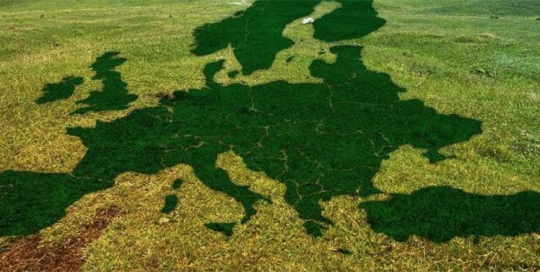
Learn about the European Green Deal policy and its effort to fight again climate change. What is the European Green Deal and carbon emissions? The Green Deal aims to make Europe the first carbon-neutral continent by 2050. The United Nations Commission launched in December the “Green Deal”, in which countries undertake to reduce emissions by 50-55% in 2030 and achieve carbon neutrality by 2050, in addition to other measures towards decarbonization. How can this be achieved? Efforts towards this goal by 2050 will be supported by the following actions: Increasing carbon credit price, which already exists in a well-developed form in the EU, especially under the EU Emissions Trading Scheme. Incorporation of a new “Carbon Border Adjustment Mechanism“, essentially a carbon border tax aimed at imports from non-EU countries with less rigorous climate policies. Revision of the Brussels state aid rules to allow governments to invest on technologies that reduce carbon emissions. The Green Deal proposes a comprehensive economy transition, which means it strives to boost decarbonisation across the EU’s socio-economic sectors. The decarbonisation of the energy system is a key factor in achieving climate targets in 2030 and 2050. Energy production and use in all economic sectors means more than 75% of EU greenhouse gas emissions. What’s next? The Green Deal roadmap is also part of the EU’s long-term strategy to be presented to the United Nations Framework Convention on Climate Change (UNFCCC) in 2020. A cornerstone of the new strategy will be the adoption of the first European ‘Climate Bill’ by March 2020. As well as introducing more ambitious emissions targets, the plan seeks to drive policy reforms to make Europe the leader in climate-friendly industries, green technologies and green finance. This commitment calls on companies, organisations, cities, states and regions to take strong, smart and innovative climate action to decarbonise the environment. We must commit … we must act together, the time is now.

biogas
Climate Change News

Top 5 things you should know about biogas

This renewable fuel is a great ally for the energy transition and a key player for the CO2 zero emission path. Environmentally friendly Biogas is an alternative fuel that is extracted from organic matter that is biodegraded by the existence of microorganisms in the absence of oxygen. In other words, it comes from all those organic wastes that we dispose of in our daily lives, both at a private and industrial level. From the shell of an egg to the pruning of parks and gardens or the sludge from sewage treatment plants. For this reason, we can say that biogas is a source of renewable energy, as it gives value to the waste by introducing it into the raw material chain, which in turn means reducing greenhouse gas emissions. It can be used to produce electricity, heat or motion. Biogas can be used for any of the major energy applications: electric, thermal or as a fuel. It can be channelled for direct use in a boiler adapted for combustion, and even injected into existing natural gas infrastructures, both for transport and distribution. Currently, the use of biogas is focused on generating electricity for the operation of industrial plants and, simultaneously, for the generation of heat that is used in production processes. However, in order to guarantee the success of these plants, they must process the incoming waste in a stable manner and with a high degree of automation. Biogas engines have a wide range of applications, the most common being water pumping, ration chopping and the operation of milking machines in rural areas. The other widespread use is to drive many types of electricity generators. Good for the economy So far, landfills, sewage treatment plants and municipal waste treatment plants have taken over almost all waste management. However, possibilities have already opened up for biogas plants to have an option to favour self-consumption, eliminating hydrocarbon taxes for these facilities and, above all, encouraging the production of biomethane, i.e. methane gas of biological origin. Biogas in Europe In many European countries, it is now on the roadmap. Experts believe that economic obligations and incentives will inevitably be put in place and that for some companies it will also be a question of image. Considering that the target for 2030 is for CO2 emissions to be cut by 40% from 1990 levels, it is clear that emission reductions in the order of 55% from current levels are necessary. This 55% is an intermediate target, as the final goal by 2050 is for CO2 emissions to be ZERO.

urban resilience
Climate Change News

Cities and climate change: urban resilience

Cities are currently facing countless natural or man-made disasters, from earthquakes, fires, mass migration … These types of situations are increasingly frequent due to factors such as rapid urbanization, climate change or political instability. Resilience is a concept that, in the case of cities, consists of having the capacity to prepare, resist and recover from a crisis in order to protect and improve people’s lives, ensure the benefits of development and drive a positive change. It provides a strategic framework that includes risk assessment and tools to face these economic, social and environmental challenges in our cities. “Globally, more people live in urban areas than in rural areas, with 55 % of the world’s population residing in urban areas in 2018. In 1950, 30 % of the world’s population was urban, and by 2050, 68 % of the world’s population is projected to be urban” (https://population.un.org/wup/Publications/Files/WUP2018-KeyFacts.pdf) The factors that most affect cities are those related to the consequences of climate change. These effects include devastating events such as floods, droughts or forest fires, which have generated catastrophic impacts on our planet. Generating challenges and uncertainties for society, the economy and the environment. It can affect basic public services, such as the supply of water or energy, essential for the performance of cities. Therefore, as the effects of climate change become more severe and frequent, it is necessary to adopt measures to make cities more resilient, reduce their vulnerability, and thus mitigate these changes and reduce their negative impact. “70 percent of cities are already dealing with the effects of climate change, and almost all are at risk. For instance, over 90 percent of all urban areas are coastal, which puts most cities across the globe at risk of flooding from sea level rise and powerful storms”. Climate change is a growing threat! It directly affects the ability of countries to achieve the Sustainable Development Goals and could even reverse the achievements made in recent decades. The ability of cities to adapt to crisis situations and the threats of climate change is decisive for their sustainability and future. According to the United Nations Human Settlements Programme (UN-Habitat) (https://unhabitat.org/) To be truly resilient, cities should work towards sustainability to ensure positive long-term impacts, and in the same manner, being truly sustainable entails incorporating resilience to drive and protect development goals. The time to act is NOW, we need resilient and sustainable cities! These are some of the proposals by the United Nations to achieve Goal 11 (Sustainable Cities and Communities) by 2030. Ensure access for all to adequate, safe and affordable housing and basic services and improve slums. Provide access to safe, affordable, accessible and sustainable transportation systems for all by expanding public transportation. Increase sustainable urbanization and capacity for participatory, integrated and sustainable planning and management of human settlements in all countries. Double efforts to protect cultural and natural heritage Minimize deaths from disasters, including those related to water, and those affected by them, and greatly reduce economic losses. Reduce the negative environmental impact per capita of cities. Provide universal access to green areas and public spaces. Increase the number of cities that adopt and implement integrated policies and plans to promote inclusion, efficient use of resources, mitigation of and adaptation to climate change and resilience to disasters. Provide support to least developed countries, including through financial and technical assistance, to enable them to build sustainable and resilient buildings using local materials. Innovation is part of the solution to help cities resist, adapt and quickly recover from crises. Comprehensive risk management services including monitoring of service and infrastructure networks, simulation models, action protocols and alert systems to find out the state of the city in real time. Learn about how we work with cities to build urban resilience (http://urbanresiliencehub.org/wp-content/uploads/2018/02/CRPT-Guide.pdf)[/fusion_text][/fusion_builder_column][/fusion_builder_row][/fusion_builder_container][fusion_builder_container type=”flex” hundred_percent=”no” hundred_percent_height=”no” hundred_percent_height_scroll=”no” align_content=”stretch” flex_align_items=”flex-start” flex_justify_content=”flex-start” hundred_percent_height_center_content=”yes” equal_height_columns=”no” container_tag=”div” hide_on_mobile=”small-visibility,medium-visibility,large-visibility” status=”published” spacing_medium=”” spacing_small=”” padding_dimensions_medium=”” padding_dimensions_small=”” border_sizes=”” border_style=”solid” box_shadow=”no” box_shadow_blur=”0″ box_shadow_spread=”0″ gradient_start_color=”” gradient_end_color=”” gradient_start_position=”0″ gradient_end_position=”100″ gradient_type=”linear” radial_direction=”center center” linear_angle=”180″ background_position=”center center” background_repeat=”no-repeat” fade=”no” background_parallax=”none” enable_mobile=”no” parallax_speed=”0.3″ background_blend_mode=”none” video_aspect_ratio=”16:9″ video_loop=”yes” video_mute=”yes” render_logics=”” absolute=”off” absolute_devices=”small,medium,large” sticky=”off” sticky_devices=”small-visibility,medium-visibility,large-visibility” sticky_transition_offset=”0″ scroll_offset=”0″ animation_direction=”left” animation_speed=”0.3″ filter_hue=”0″ filter_saturation=”100″ filter_brightness=”100″ filter_contrast=”100″ filter_invert=”0″ filter_sepia=”0″ filter_opacity=”100″ filter_blur=”0″ filter_hue_hover=”0″ filter_saturation_hover=”100″ filter_brightness_hover=”100″ filter_contrast_hover=”100″ filter_invert_hover=”0″ filter_sepia_hover=”0″ filter_opacity_hover=”100″ filter_blur_hover=”0″][fusion_builder_row][fusion_builder_column type=”1_1″ layout=”1_1″ align_self=”auto” content_layout=”column” align_content=”flex-start” valign_content=”flex-start” content_wrap=”wrap” spacing=”” center_content=”no” link=”” target=”_self” min_height=”” hide_on_mobile=”small-visibility,medium-visibility,large-visibility” sticky_display=”normal,sticky” id=”” type_medium=”” type_small=”” order_medium=”0″ order_small=”0″ dimension_spacing_medium=”” dimension_spacing_small=”” dimension_spacing=”” dimension_margin_medium=”” dimension_margin_small=”” margin_top=”” margin_bottom=”” padding_medium=”” padding_small=”” padding_top=”” padding_right=”” padding_bottom=”” padding_left=”” hover_type=”none” border_sizes=”” border_color=”” border_style=”solid” border_radius=”” box_shadow=”no” dimension_box_shadow=”” box_shadow_blur=”0″ box_shadow_spread=”0″ box_shadow_color=”” box_shadow_style=”” background_type=”single” gradient_start_color=”” gradient_end_color=”” gradient_start_position=”0″ gradient_end_position=”100″ gradient_type=”linear” radial_direction=”center center” linear_angle=”180″ background_color=”” background_image=”” background_image_id=”” background_position=”left top” background_repeat=”no-repeat” background_blend_mode=”none” render_logics=”” filter_type=”regular” filter_hue=”0″ filter_saturation=”100″ filter_brightness=”100″ filter_contrast=”100″ filter_invert=”0″ filter_sepia=”0″ filter_opacity=”100″ filter_blur=”0″ filter_hue_hover=”0″ filter_saturation_hover=”100″ filter_brightness_hover=”100″ filter_contrast_hover=”100″ filter_invert_hover=”0″ filter_sepia_hover=”0″ filter_opacity_hover=”100″ filter_blur_hover=”0″ animation_type=”” animation_direction=”left” animation_speed=”0.3″ animation_offset=”” last=”true” border_position=”all” first=”true”][fusion_youtube id=”https://www.youtube.com/watch?v=BsacBJpbIPQ” alignment=”center” autoplay=”false” api_params=”” title_attribute=”” hide_on_mobile=”small-visibility,medium-visibility,large-visibility” css_id=”” /][/fusion_builder_column][/fusion_builder_row][/fusion_builder_container]


most-sustainable companies
Climate Change News

The most sustainable companies in the world

In this article we tell you the top 3 most sustainable companies according to Corporate Knights. The Canadian research firm, Corporate Knights, is a financial information company focused on sustainability, it ranks large companies worldwide, The list, The Global 100, is determined by the performance of the companies by reducing carbon and waste, their kind diversity among leadership, clean product revenue, and overall sustainability. https://www.corporateknights.com/rankings/global-100-rankings/2019-global-100-rankings/2019-global-100-results/ 1. Chr. Hansen Holding It is a Danish bioscience firm that makes more than 80% of its revenue by developing natural solutions to preserve foods like yoghurt and milk, protect crops with natural bacteria instead of pesticides, and search for alternatives to animal antibiotics. 2. Kering SA It is a French firm best known for consumer-oriented brands owner of firms such as Gucci, Yves Saint Laurent and Alexander McQueen, among others. The brand has shown that it takes sustainability seriously by getting more than 40% of its products from certified sustainable sources, and it is always looking for ways to improve that percentage. More than 60% of the Kering board of directors is made up of women, the gender composition of most large companies shows less than 20%. 3. Neste Corporation Based in Finland, until very recently, it was a fossil fuel company that refined oil to burn and generated greenhouse gas emissions in the process. But the firm changed its view, and now more than 50% of Neste’s investments go to the development of products such as renewable biofuels. Currently, 25% of the company’s income comes from biofuel refining, and its goal is to increase that figure in the coming years. Neste’s biofuel business represents 50% of its profits. More information on the methodology of the ranking.  

Other Categories

U.S. climate bill
Climate Change News

Senate passes most ambitious U.S. climate bill to date

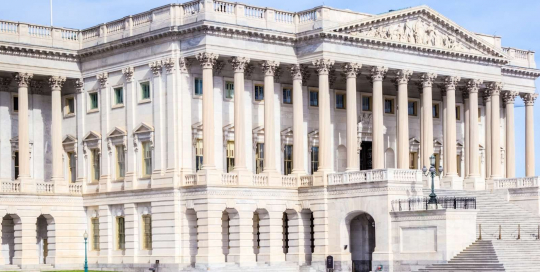
The United States Senate passed the Inflation Reduction Act yesterday (August 7), the most ambitious climate bill ever adopted in the country. The bill, which is expected to be signed into law in the coming weeks, allocates US$349B to climate and green energy projects, and could lead to an estimated 40% reduction in the country’s greenhouse gas emissions by 2030 (from a 2005 baseline). Climate budget distribution According to Moody’s Analytics, two-thirds of the US$349B will be distributed in the form of federal tax credits that create incentives to produce electricity from clean energy sources, invest in renewable energy technologies, and address climate change through carbon sequestration, renewable fuel production, and clean energy manufacturing. The other one-third includes government funds to support conservation practices that help to mitigate GHG emissions, particularly from agriculture and forestry, and adopt clean energy technologies and energy efficiency in housing. In reaction to the passing of the bill in the Senate, Francisco Benedito, CEO of ClimateTrade, comments: “The Inflation Reduction Act is a historic opportunity both for the United States and the world. The bill will have a tremendous impact in tackling the climate crisis. It will put the U.S. in a leadership position by taking action and reducing emissions up to 41% and generating over a million additional jobs by 2030. We at ClimateTrade are very excited about this bill and look forward to putting climate front and center for our business community.” Reducing electricity costs The bill also aims to reduce the cost of electricity and make the U.S. energy self-sufficient: in the first half of 2022, the rise in gas prices that resulted from the Ukraine-Russia war led to a dramatic increase in electricity prices throughout the U.S., between 13% (in the Southwest region) and 135% (in the New York region), according to the Energy Information Administration. In total, the bill sets aside US$739B of tax money to make life more affordable for Americans through energy investments and healthcare cost reduction measures. Much of the budget for this reform is expected to come from higher taxes on corporations. The Inflation Reduction Act was supported by all 51 Democrats and opposed by all 50 Republicans in the Senate.  Climate regulations in the U.S. This is the latest in a series of attempts to regulate climate action in the United States. In March 2022, the Securities and Exchange Commission (SEC) published proposed rules for climate-related risk and greenhouse gas disclosure for listed companies in the country. It then opened a period of public consultation that was due to end in June, and expects to finalize the regulation by the end of this year. The proposed rules include the mandatory reporting of Scope 1, 2 and 3 emissions, as well as any material impacts climate-related risks can have on the company’s business, strategy and outlook, such as physical and regulatory exposures. ClimateTrade can help you navigate these regulatory changes and support your company’s transition to Net Zero. Get in touch with our experts to discuss your needs.

Climate Week NYC
ClimateTrade News

ClimateTrade is taking Climate Week NYC by storm

ClimateTrade is proud to be a pioneer and a thought leader in the fight against climate change. As such, we will be actively participating in Climate Week NYC, one of the world’s biggest climate events! Now in its 14th year, Climate Week NYC brings together the most influential leaders in climate action from business, government, and the climate community, in conjunction with the United Nations General Assembly and the City of New York, to create an ambitious platform to drive climate action, fast – the main purpose of the event’s organizer, the Climate Group. This year’s theme is ‘Getting it Done’, prompting climate leaders to put their plans into action around environmental justice, sustainable living, energy, nature, transport, resilience and other aspects of the ecological transition. Having recently opened our first U.S. headquarters in Miami, ClimateTrade will be participating in Climate Week NYC for the first time this year. We’re taking an incredibly active approach to the week, attending or speaking at more than 15 events, including a partnership with IETA’s North America Climate Summit, after ClimateTrade joined the International Emissions Trading Association in June. North America Climate Summit, September 20-21, the Westin New York As sponsors of this important event, ClimateTrade will be actively participating in discussions. Our CEO Francisco Benedito will be speaking at two panels on September 21: Panel 1 – 1pm: Using Technology to Assist in Reaching Decarbonization Objectives and Finding a Pathway to Net Zero In this panel organized by ClimateTrade, we will discuss the implementation of our carbon offsetting capabilities in Santander Bank’s app and website, and the role that technology can play in supporting the transition to Net Zero. Moderator: Michael Green – American Sustainable Business Network Speakers Francisco Benedito – CEO, ClimateTrade Marta Aisa – Head of Responsible Banking, Banco Santander Clara Arrocha – Global Cards Product Manager, Banco Santander Ben Gerber – CEO, M-RETS (Midwest Renewable Energy Tracking System) Panel 2 – 2.30pm: Voluntary Markets: A Stepping Stone on Pathway to Net Zero Based on new data from Ecosystem Marketplace, in 2022 the Voluntary Carbon Market (VCM) has soared to a record-breaking US$2B in market value, quadrupling in size from $500 million in 2020. Growth in the VCM continues to be fueled by a significant acceleration in corporate and government net zero commitments, with an increasing number of parties recognizing the vital role the VCM has to play in achieving ambitious and credible net zero goals. Two new global initiatives such as Integrity Council for the Voluntary Carbon Markets (IC-VCM) and the VCM Integrity Initiative (VCMIi) have been launched to scale the market while enhancing transparency and integrity. Hear from our panel of VCM participants, including independent standards and leading NGOs, as they explore the major developments and future outlooks for the VCM in a Paris-aligned world.  Moderator: Andrea Abrahams – Managing Director, ICROA Scene Setter: Stephen Donofrio – Managing Director, Ecosystem Marketplace Speakers Annette Nazareth – Chair Integrity Council for the Voluntary Carbon Market (ICVCM) Lydia Sheldrake – Director of External Affairs, Voluntary Carbon Markets Integrity Initiative (VCMI) David Antonioli – CEO, Verra Brennan Spellacy – CEO, Patch Francisco Benedito – CEO, ClimateTrade  Other Climate Week NYC events In addition to these two speaking roles, ClimateTrade’s CEO Francisco Benedito, Head of Partnerships Kat O’Brien and U.S. Business and Policy Advisor Michael Green will be attending a number of events during the week, including:  The Nest Summit The Hub Live Women and Climate Celebration Fintech is Femme NYC Blockchain Association Crypto & Cocktails Transform to Net Zero: What Makes an Effective Climate Transition Action Plan 7th Annual Sustainable Investment Forum North America 2022 If you would like to set up a meeting with someone from the team at one of these events, please contact us.